Heated Dog Beds and Warm Sleeping Spots
Disclosure: This page contains affiliate links. If you buy through them we may earn a commission at no extra cost to you. As an Amazon Associate I earn from qualifying purchases. Details.
Not veterinary advice. If your dog has arthritis, a medical condition, or trouble regulating temperature, ask your veterinarian what bedding they recommend.
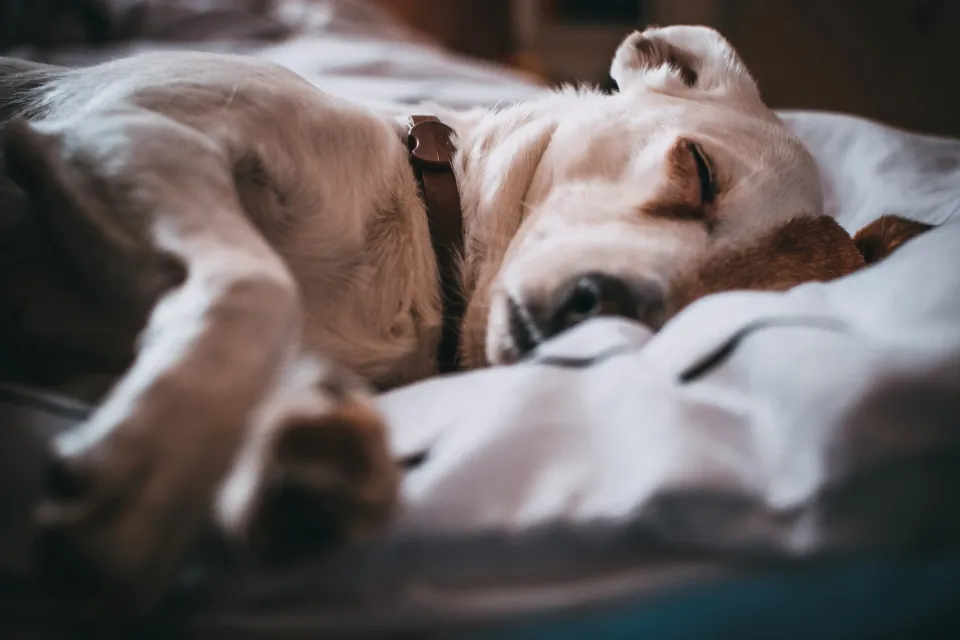
A warm bed is one of the simplest winter comforts for a dog. The choice is mainly between beds that add heat (electric) and beds that hold heat (self-warming or insulated). The AVMA has a specific caution about the first type.
What the guidance says
- ASPCA: make sure your pet has a warm place to sleep, off the floor and away from drafts. A cozy bed with a warm blanket or pillow is ideal.
- AVMA: pets prefer comfortable sleeping places and may move depending on whether they need more or less warmth. Give them some safe options so they can choose.
- AVMA, on heat sources: use space heaters with caution around pets, because they can cause burns or be knocked over and start a fire. For outdoor shelters, space heaters and heat lamps should be avoided, and heated pet mats should be used with caution because they're still capable of causing burns.
The options compared
| Type | How it warms | Pros | Cautions |
|---|---|---|---|
| Electric heated bed or pad | Plugs in to generate heat | Active warmth | AVMA: heated mats can still cause burns; cords can be chewed |
| Self-warming bed | Reflective or insulating layer holds body heat | No electricity, no cords | Less warmth than active heating |
| Raised (cot) bed | Lifts the dog off cold floors | Airflow; off the ground | Add a blanket for warmth |
| Bolstered or cave-style bed | Walls or a hood to curl into | Feels enclosed; reduces drafts | Bulky; harder to wash |
| Orthopedic foam bed | Thick foam under the dog | Insulates from cold floors | Ask your vet about joint issues |
Self-warming dog beds → Amazon · Raised dog beds → Amazon · Cave-style beds → Amazon · Orthopedic beds → Amazon
If you choose an electric heated bed
Follow the AVMA's caution and the manufacturer's instructions. Practical things to look for and do:
- Low, regulated temperature and an auto shut-off or thermostat, if available.
- A chew-resistant cord, or a way to route the cord out of reach.
- Somewhere the dog can move off the heat. The AVMA's advice to offer choices applies here: put the heated bed next to a non-heated spot.
- Check the bed regularly for damage, and stop using it if the cord or cover is damaged.
- Ask your vet first for puppies, seniors, or dogs that can't easily move away from heat.
Heated pads with chew-resistant cords → Amazon
Setting up a warm spot (no electricity needed)
- Get off the floor. A raised bed or a thick pad keeps cold floors from drawing heat away (ASPCA: off the floor).
- Avoid drafts. Move the bed away from doors, windows, and vents that blow cold air (ASPCA).
- Add blankets the dog can burrow into. Fleece dog blankets → Amazon
- Offer choices, such as a warm bed and a cooler spot (AVMA).
- Wash bedding regularly and keep a spare so a dry bed is always available.
Space heaters and dogs
If you use a space heater in a room with a dog, the CPSC's general space heater rules are a good baseline: keep it at least three feet from bedding and furniture, plug it directly into a wall outlet, and turn it off when sleeping. The AVMA adds that heaters can burn pets or be knocked over. A tip-over shut-off feature is worth looking for.
Outdoor dogs
The AVMA doesn't recommend keeping any pet outside for long periods. If a dog must be outside in cold weather, the AVMA describes a warm, solid shelter against wind, with the floor off the ground, thick dry bedding changed regularly, the door facing away from the wind, and unfrozen water, with a pet-safe heated bowl as one option. It advises avoiding space heaters and heat lamps because of burn and fire risk. Heated water bowls → Amazon
Who should skip a heated bed
If your dog sleeps in a warm house and already curls up comfortably, a self-warming or bolstered bed with a blanket may be all they need. No cords required.
FAQ
Are heated dog beds safe?
The AVMA says heated pet mats should be used with caution because they are still capable of causing burns. Follow the manufacturer's instructions, and ask your vet about your dog.
What's a self-warming dog bed?
A bed with an insulating or reflective layer that holds the dog's own body heat. It uses no electricity.
Where should a dog sleep in winter?
The ASPCA recommends a warm place off the floor and away from drafts. The AVMA suggests offering several safe sleeping options so pets can move to warmer or cooler spots.
Related guides
- Does My Dog Need a Coat? What the AVMA and ASPCA Say
- Gifts for Dog Lovers by Budget (Winter Edition)
- Dog Paw Protection in Winter: Boots vs. Paw Wax